
Choosing Between a Full Wrap and a Partial Wrap: What Actually Makes Sense
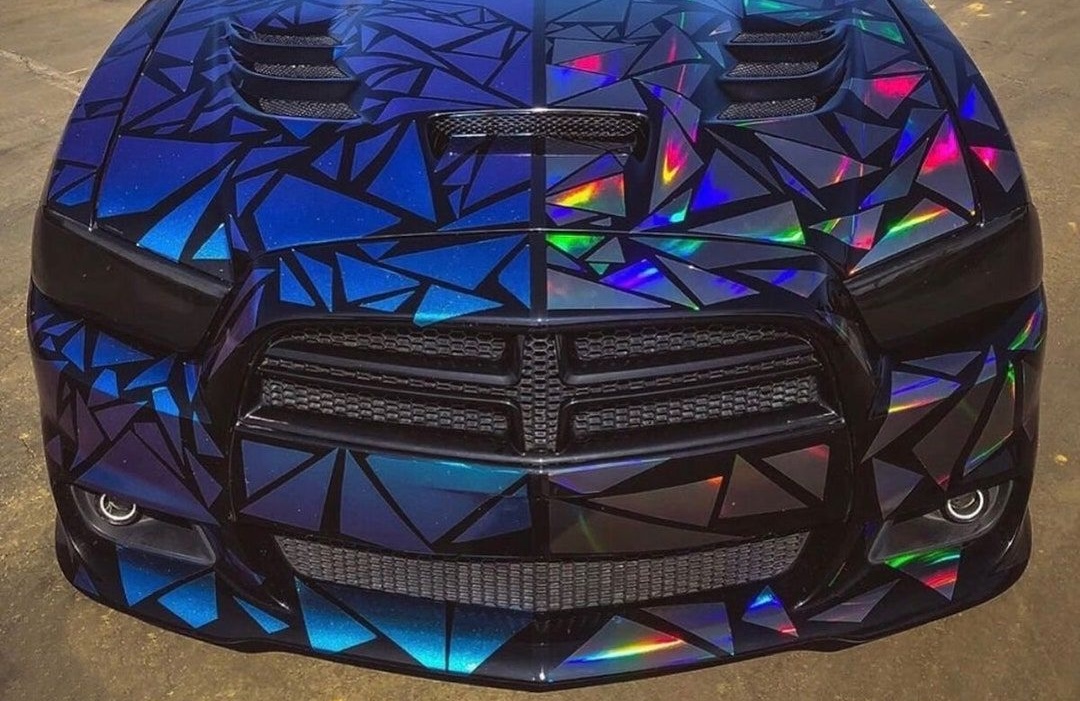
A lot of people default to assuming a "real" wrap means covering the entire car, when in practice a well-planned partial wrap often accomplishes the same goal at a fraction of the cost. The right choice depends less on what looks most impressive and more on what you're actually trying to achieve with the wrap.
What a Full Wrap Actually Solves
Full coverage makes sense when the goal is a complete color change, when the factory paint underneath has enough wear that full coverage helps hide it, or when the design itself requires continuous graphics across the entire body. It's also the standard choice for businesses wanting maximum brand visibility on a fleet vehicle.
What a Partial Wrap Actually Solves
Partial car wraps - hood, roof, mirrors, or specific accent panels - work well when the goal is a stylistic accent rather than a full transformation, or when budget constraints make full coverage impractical. For business vehicles, a well-designed partial wrap with strong branding on key panels can be just as effective at generating attention as full coverage, often at half the material cost.
Where People Get This Decision Wrong
The most common mistake is choosing full coverage purely because it seems more "complete," without a specific reason the extra panels need to be covered. Wrapping panels that don't need it adds cost without adding much visual or functional benefit, especially on vehicles where a partial wrap would achieve the same design goal.
Cost Differences Worth Knowing
Partial wraps typically cost roughly a third to half of a full wrap's price, depending on which panels are included, making them a practical entry point for owners or businesses testing out a wrap for the first time. It's also a lower-risk way to try a design before committing to full coverage on a future vehicle.
How to Decide for Your Situation
If you're changing your car's entire look or maximizing fleet visibility, full coverage is worth the investment. If you're adding a stylistic accent, working with a tighter budget, or protecting specific panels, a partial wrap usually delivers comparable value. A good vinyl wrap installer in Miami will typically walk through both options honestly rather than upselling full coverage by default.
FAQ
Does a partial wrap look less professional than a full wrap?
Not if it's well-designed - a clean partial wrap with strong contrast and clear branding often looks more intentional than a poorly executed full wrap.
Can a partial wrap be upgraded to full coverage later?
Yes, though color matching between the original partial wrap and newly added panels can be tricky depending on how much the existing vinyl has faded.
Is a partial wrap a good option for a business vehicle?
Yes - a well-placed partial wrap on doors, hood, and rear panels can generate strong visibility at a lower cost than full coverage.
How much less does a partial wrap typically cost?
Partial wraps generally run about a third to half the cost of full coverage, depending on which panels are included.


